Best Tillers for Flower Beds & Landscapes USA
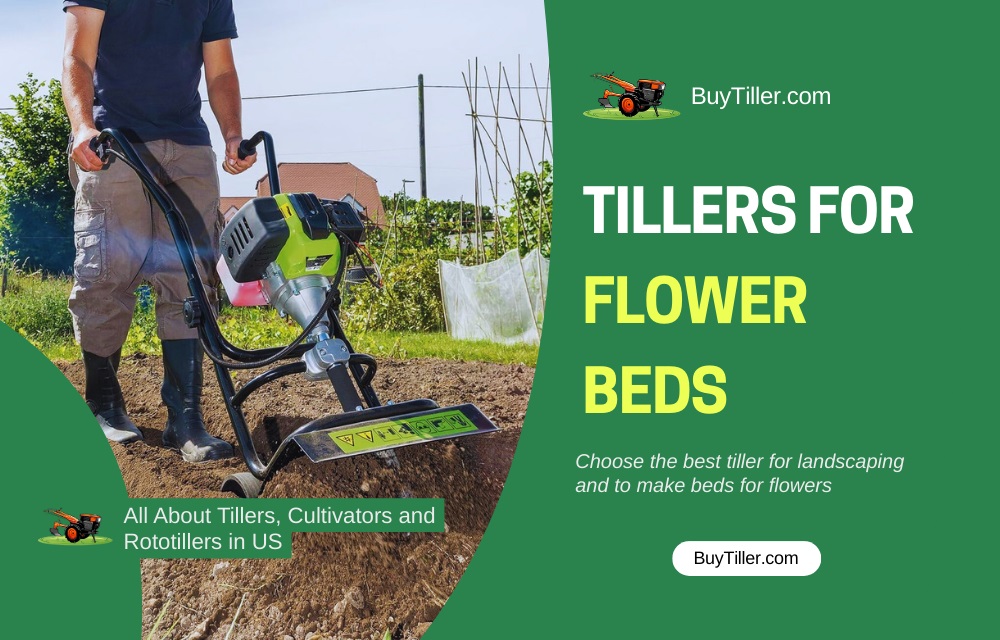
Flower beds and landscaped areas demand a different kind of care than vegetable gardens. The soil needs to be loose, well-aerated, and evenly mixed, without disturbing existing plants or damaging roots. If you’ve ever tried prepping a flower bed with just a shovel or hand fork, you know how slow and inconsistent the results can be.
That’s why many homeowners across the USA are turning to small garden tillers and mini tillers specifically designed for flower beds and landscaping. These compact machines offer just the right balance of power, precision, and control.
In this guide, we’ll break down the best tillers for flower beds and landscapes, how they work, their benefits, which types perform best in U.S. soil conditions, and practical tips to get professional-looking results.
Why Flower Beds Need the Right Type of Tiller
Unlike open vegetable plots, flower beds often include:
- Established plants and roots
- Decorative borders and edging
- Mulch layers and soil amendments
- Limited working space
Using a large, aggressive tiller in these areas can do more harm than good. That’s where mini tillers, cultivators, and lightweight electric tillers shine.
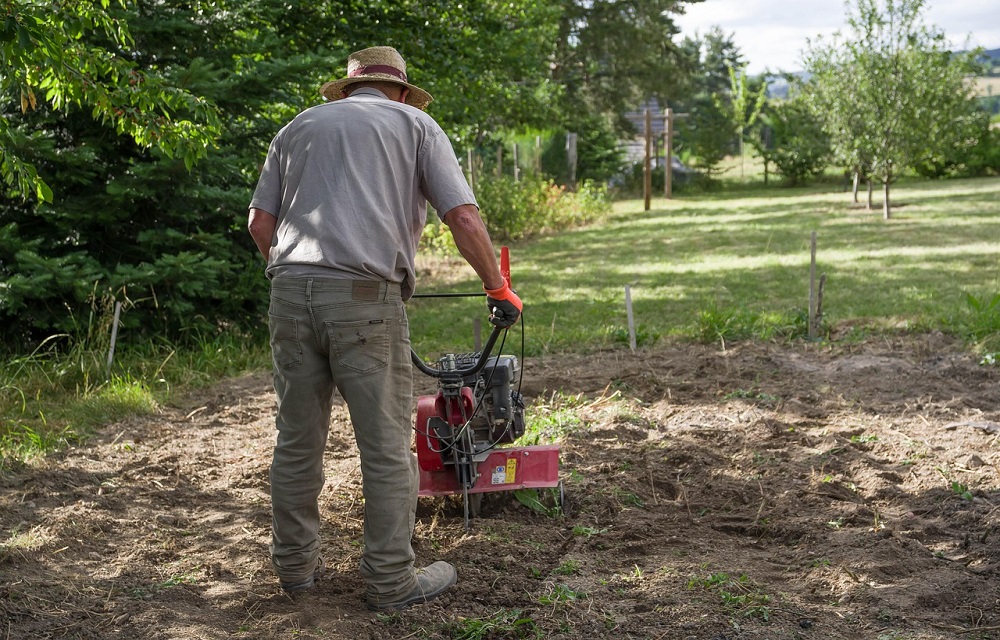
What Makes a Tiller Ideal for Flower Beds & Landscaping?
The best tillers for landscaped areas share a few key characteristics:
- Compact size for tight spaces
- Shallow to medium tilling depth (4–8 inches)
- Lightweight design for better control
- Smooth tine operation to protect roots
- Low noise for residential areas
These features allow you to refresh soil, mix compost, and control weeds without tearing up your landscape.
Best Types of Tillers for Flower Beds
1. Mini Tillers
Mini tillers are one of the most popular choices for flower beds. They’re powerful enough to loosen soil but gentle enough for delicate areas.
They work especially well for:
- Annual flower beds
- Perennial maintenance
- Small landscape borders
You can explore suitable models in your guide on Mini Tillers for Home Gardening.
2. Electric Tillers (Corded & Cordless)
Electric tillers are a favorite among U.S. homeowners focused on landscaping. They’re quieter, lighter, and easier to maneuver than gas models.
Best for:
- Suburban yards
- Soft to medium soil
- Noise-sensitive neighborhoods
If you’re deciding between power sources, your breakdown here is helpful: Gas vs Electric Tillers.
3. Cultivators for Detailed Landscaping Work
For tight flower beds and decorative landscaping, cultivators often outperform traditional tillers. They focus on surface soil and weed control.
For beginners and light landscaping, this guide fits well: Affordable Cultivators for Beginners.
Benefits of Using a Tiller for Flower Beds
1. Healthier Soil Structure
Tillers break up compacted soil and improve airflow, helping flower roots grow stronger and deeper.
2. Better Nutrient Mixing
Compost, peat moss, and fertilizers blend evenly into the soil instead of sitting in layers.
3. Faster Seasonal Bed Refreshing
Spring and fall maintenance becomes quicker, especially in areas with freeze-thaw cycles common in many U.S. states.
4. Cleaner, More Uniform Beds
Tilled flower beds look smoother and more professional than hand-dug beds.
5. Reduced Physical Strain
Compared to manual digging, tillers significantly reduce back, shoulder, and wrist fatigue.
Pros and Cons of Using Tillers in Landscapes
Pros
- Consistent soil depth
- Faster preparation
- Improved drainage
- Easy compost integration
- Great for seasonal upkeep
Cons
- Over-tilling can disturb roots if not careful
- Large tillers are unsuitable for tight spaces
- Requires basic maintenance
Best Uses by U.S. Climate & Soil Type
Clay-Heavy Soil (Midwest & South)
Mini gas tillers or higher-power electric tillers work best. Multiple shallow passes are recommended.
Sandy or Loamy Soil (Coastal & Western Regions)
Electric tillers and cultivators handle these soils easily with minimal effort.
Cold-Climate Regions
Spring tilling helps reverse winter soil compaction and improves early plant growth.
Practical Tips for Tilling Flower Beds Safely
- Keep the tilling depth shallow around perennials
- Avoid tilling wet soil
- Use slow, controlled passes
- Remove large roots and stones first
- Finish with mulch to protect soil structure
Frequently Asked Questions
1. Can a tiller damage flower roots?
Yes, if used too deeply. Mini tillers and cultivators are safer because they work closer to the surface.
2. What size tiller is best for flower beds?
A lightweight tiller with a 6–10 inch tilling width is ideal for most flower beds.
3. Are electric tillers strong enough for landscaping?
Yes. For soft to medium soil, electric tillers perform extremely well and are easy to control.
4. Should I till every year?
Light annual tilling in spring or fall is usually sufficient for flower beds.
5. Can I use a cultivator instead of a tiller?
For shallow soil mixing and weed control, cultivators are often the better choice.
6. Is tilling necessary for mulched beds?
Occasional tilling helps refresh soil under mulch, especially when adding compost.
7. Are gas tillers too aggressive for landscaping?
Larger gas tillers can be, but compact gas models work well if used carefully.
8. What’s the best time to till flower beds?
Early spring before planting and fall after blooms fade are ideal times.
Conclusion & Call-to-Action
The right tiller can make a dramatic difference in how your flower beds and landscaped areas look and perform. Mini tillers, electric tillers, and cultivators offer the precision and control that landscaping demands, without the strain of manual digging.
If you’re still comparing options, your guide on choosing the right tiller for your garden is a great next step.
Ready to elevate your flower beds? Choose a tiller designed for landscaping, and enjoy healthier soil, stronger blooms, and easier maintenance all season long.