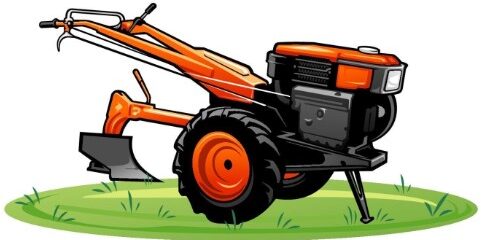
How to Choose the Right Tiller for Your Garden Size

Choosing the right tiller is one of the most important decisions you can make for your garden. A tiller that is too small will struggle and waste your time, while one that is too large will be difficult to handle and unnecessary for the space you have. Whether you’re preparing a backyard vegetable patch, refreshing soil for the new season, or working on a larger homestead, the right tool makes all the difference.
This guide explains how to choose the perfect tiller based on your garden size, soil type, and the type of work you need done. If you’re a U.S. homeowner, this breakdown will help you confidently pick between electric, cordless, or gas-powered tillers.
1. Understand the Types of Tillers
• Mini / Small Tillers (Cultivators)
These lightweight tools are ideal for small gardens, raised beds, container soil prep, and quick seasonal touch-ups. Mini tillers work best in soil that has been tilled before and does not contain heavy roots or packed clay.
• Front-Tine Tillers
Front-tine models offer more power than mini cultivators and are suitable for small to medium-sized gardens. They can break new ground, mix compost, and prepare vegetable beds with ease.
• Rear-Tine Tillers
Rear-tine tillers are the most powerful option. Designed for large gardens, small farms, and tough soil conditions, they can cut through clay, sod, and compacted ground. These are perfect for gardeners who need deep soil preparation across larger plots.
2. Match the Tiller to Your Garden Size
✔ Small Gardens (Up to 500 sq. ft.)
If your garden is roughly the size of a patio, balcony setup, or single backyard plot, choose a mini tiller or cordless cultivator. These compact tools are easy to handle and store, and they’re quiet enough for neighbourhood use.
Best For:
- Raised beds
- Herb gardens
- Flower beds
- Soil loosening before planting
✔ Medium Gardens (500–2,000 sq. ft.)
For moderate-sized vegetable gardens or multi-bed layouts, a front-tine electric or gas tiller works best. These offer enough power to turn tough soil but remain manageable for casual home gardeners.
Best For:
- Breaking up compact soil
- Installing new garden beds
- Mixing compost across larger areas
- Seasonal preparation of old plots
✔ Large Gardens (Over 2,000 sq. ft.)
If you’re working with a garden the size of a small field or maintaining a homestead, a rear-tine tiller is the right choice. These machines offer deep, even tilling with minimal effort while covering wide rows in fewer passes.
Best For:
- New ground preparation
- Hard clay or rocky soil
- Food plots
- Large vegetable farms
Best Tillers for Every Garden Size (Gas, Electric & Battery Compared)
| Category | Product | Garden Size | Key Features | Check Price |
|---|---|---|---|---|
| Battery Tiller | Sun Joe TJW24C Cordless 24V Garden Tiller | Small Gardens, Raised Beds | • 24V battery-powered • Lightweight & easy to handle • Great for soft soil and quick soil prep |
View on Amazon |
| Battery Tiller | Greenworks 40V Cordless Cultivator | Small–Medium Gardens | • 40V high-torque battery • 8-inch tilling depth • Good for everyday garden maintenance |
View on Amazon |
| Electric Tiller | Earthwise TC70016 16-Inch Electric Tiller | Medium Gardens | • 13.5-amp powerful motor • 16-inch width • Excellent for flower beds & vegetable patches |
View on Amazon |
| Electric Tiller | Sun Joe TJ603E 16-Inch Electric Tiller | Medium–Large Gardens | • 12-amp motor • 16-inch tilling width • Folds for easy storage |
View on Amazon |
| Gas Tiller | Mantis 7940 4-Cycle Gas Tiller | Small–Medium Gardens | • Honda 4-cycle engine • Ultra-lightweight gas tiller • Great for compact soil & deeper tilling |
View on Amazon |
| Gas Tiller | Champion 19-Inch Rear Tine Tiller | Large Gardens & Homesteads | • 212cc gas engine • 19-inch tilling width • Best for large plots & heavy-duty soil work |
View on Amazon |
3. Consider Your Soil Type
• Soft or Previously Worked Soil
Mini tillers or cordless cultivators are perfect for maintaining loose, worked soil that doesn’t require heavy digging.
• Medium-Density Soil
Front-tine tillers can break through moderately packed ground and mix organic matter evenly.
• Clay, Sod, Rocky, or Hard Soil
Rear-tine tillers are built for tough ground. Their weight and counter-rotating tines help them dig deeper with less strain.
4. Choose the Right Power Type
Electric Tillers
Great for small yards and homeowners who want a maintenance-free option. They are lightweight, quiet, and budget-friendly.
Cordless/Battery Tillers
These are ideal for gardeners who need freedom of movement without fuel. Best for small and medium-sized gardens.
Gas-Powered Tillers
If you need raw power for breaking tough soil or covering large plots, gas tillers are the top choice. They’re durable and reliable for heavy-duty use.
5. Tilling Width & Depth Matter
- Tilling Width: Determines how much area you cover in a single pass. Small tillers are around 6–12 inches, while large rear-tine models can reach 18–24 inches.
- Tilling Depth: Mini tillers dig 5–8 inches, suitable for planting. Larger tillers dig up to 10–12 inches, ideal for full garden bed preparation.
6. Additional Features to Look For
- Adjustable tilling width
- Foldable handles for storage
- Forward and reverse gears (rear-tine)
- Battery runtime for cordless models
- Engine power (CC or HP) for gas tillers
7. Final Tips for Choosing the Right Tiller
- Don’t buy more power than you need-match the tool to your garden size.
- For small urban gardens, electric or cordless models are ideal.
- If you live in an area with clay soil, choose a tiller with strong tines and higher power.
- Rear-tine tillers are an investment but last for years with proper maintenance.
Frequently Asked Questions
1. What size tiller do I need for a small yard?
A mini tiller or cordless cultivator is perfect for gardens under 500 sq. ft. They are lightweight, easy to store, and great for raised beds and soft soil.
2. Can a mini tiller break hard ground?
Most mini tillers are not powerful enough for clay or compacted soil. For hard ground, choose a front-tine or rear-tine tiller.
3. Which tiller is better for beginners?
Electric and cordless tillers are beginner-friendly because they are simple to start, lightweight, and require minimal maintenance.
4. How deep should I till my garden?
For most vegetables, 6–8 inches is ideal. If you’re preparing a new garden or improving drainage, deeper tilling may be needed.
5. Is a rear-tine tiller worth the investment?
If you have a large garden, tough soil, or maintain a homestead, a rear-tine tiller saves time and effort while offering much better performance.