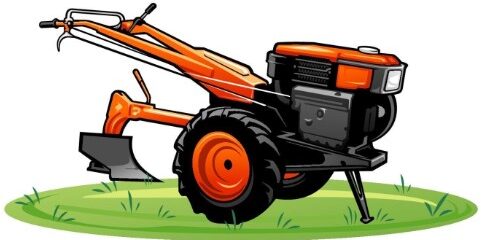
Benefits of Using a Garden Tiller Versus Manual Digging Tools

If you’ve ever spent an afternoon turning over compacted soil with a shovel, you know the feeling, aching shoulders, sore wrists, and the slow realization that gardening can become a full-body workout. But here’s the thing: preparing soil doesn’t have to feel like a battle. That’s exactly where garden tillers step in.
Across the United States, more homeowners, beginners, and casual growers are switching from old-school digging tools to compact tillers and mini-tillers. The difference in speed, comfort, and results is huge, especially when working with clay-heavy soils, large beds, or seasonal planting cycles.
Let’s break down why a garden tiller is often the smarter choice and when manual tools still make sense.
What Garden Tillers Actually Do (And Why They Matter)
A garden tiller is a motorized machine designed to break, loosen, and aerate soil. They dig deeper and faster than hand tools, using rotating tines to shred compacted dirt into a fluffy, plant-ready texture.
Mini tillers and cultivators, like the ones we covered in our mini tiller guide, are especially popular for small yards and raised beds.
The result? Better soil structure, easier planting, stronger root growth, and less physical strain.
Garden Tillers vs Manual Digging Tools: Key Benefits
1. They Save Hours of Physical Labor
Let’s be honest: using a shovel or garden fork is slow, repetitive, and physically demanding. Most gardeners underestimate how much effort it takes to turn over even a small 10×10 ft bed.
A small tiller does the same job in minutes-handling the heavy lifting for you.
-
- Less stress on your back and shoulders
- No need to repeatedly stomp on a shovel blade
If you’re planting multiple beds or prepping soil every season, the difference becomes even more noticeable.
2. Better Soil Aeration for Stronger Root Growth
Manual tools can loosen only the top layer unless you spend a lot of time and energy digging deep. Tillers, on the other hand, mix the soil more evenly and thoroughly.
Aerated soil benefits:
- Improves drainage in heavy clay soils
- Provides more oxygen for root development
- Encourages beneficial microbes and earthworms
Healthy soil = healthier plants. And tillers achieve this consistently.
3. Tillers Break Up Hard, Compact Soil Faster
In many U.S. states-especially in the Midwest, South, and Northeast-gardeners deal with:
- Rocky beds
- Clay-heavy topsoil
- Dense, compacted earth in older yards
Manual tools struggle with these conditions, and most gardeners end up exhausted before they’ve even made progress.
Mini tillers or electric tillers cut straight through tough ground while maintaining a consistent depth.
4. Tillers Create a More Even Soil Texture
Manual digging usually leaves chunks, uneven looseness, or patches where roots struggle. Tillers mix soil uniformly, giving your garden a smoother structure that makes planting easier and improves water absorption.
This is especially useful when adding compost, peat moss, manure, or other amendments-you get a consistent blend instead of pockets of materials.
5. They Are Faster for Preparing Big or Medium-Sized Gardens
Manual tools are fine for tiny plots, but if your garden is even slightly large, tillers are the clear winner.
For U.S. gardeners with:
- Backyard vegetable beds
- Flower borders
- Seasonal farm plots
- New garden expansions
A small gas or electric tiller dramatically cuts down preparation time.
6. Tillers Are Ideal for Annual Soil Refreshing
Every spring, soil becomes compacted during winter freeze–thaw cycles. A tiller helps fluff it back up quickly.
If you rotate crops or grow vegetables multiple times per year, this becomes even more valuable.
7. Perfect for Mixing Fertilizer and Compost
One of the biggest benefits of a tiller is how efficiently it incorporates nutrients.
Manual mixing is uneven and time-consuming. Tillers blend everything into the soil, so plantscan access nutrients immediately.
When Manual Tools Still Make Sense
Even though tillers have major advantages, traditional tools still have their place.
- Small container gardens
- Raised beds where the soil is already loose
- Precision weeding around delicate plants
- Working in tight spaces or corners
For everything else, tillers simply offer a better return on effort and time.
Which Type of Tiller Do You Need?
If you’re unsure which type suits your garden size, soil condition, and budget, you can refer to your published guide on choosing the right model: How to Choose the Right Tiller for Your Garden.
For those comparing fuel types, your detailed breakdown here is also helpful: Gas vs Electric Tillers in the USA.
Real-World Examples from U.S. Homeowners
Across states like Texas, Georgia, Ohio, and Michigan, gardeners repeatedly mention the same benefits:
- Mini tillers help break up hardpan soil faster than shovels
- Electric tillers are easy to use in suburban backyards
- Gas tillers work well for larger plots and community gardens
- Beginners feel more confident prepping soil quickly
This is especially important for homeowners growing vegetables such as tomatoes, peppers, lettuce, beans, and seasonal herbs.
Final Verdict: Tillers Are Worth It for Most U.S. Gardeners
Manual digging tools have their charm, but if your goal is efficiency, better soil quality, and reduced physical effort, garden tillers win by a mile.
They save time, protect your body, and help create the kind of soft, nutrient-rich soil plants love.
FAQs: Garden Tillers vs Manual Digging Tools
1. Are mini tillers worth it for small American gardens?
Yes. Mini tillers are perfect for small vegetable beds, raised beds, and typical suburban lawns. They save time and give a consistent soil texture.
2. Can a tiller replace a shovel completely?
No. You’ll still need a shovel for edging, digging holes, and working around roots. But for soil preparation, tillers outperform shovels easily.
3. Are electric tillers powerful enough for clay soil?
Modern electric tillers can handle moderately compact soil. For very hard clay, gas tillers may perform better.
4. Do tillers damage soil structure?
Not when used correctly. Occasional tilling improves aeration, drainage, and nutrient mixing.
5. Is manual digging better for raised beds?
If your raised bed already uses loose, rich soil, manual tools work fine. But tillers still help with seasonal refreshing.
6. Are tillers good for beginners?
Absolutely. They make soil prep easier and help new gardeners achieve better results faster.
7. How deep do garden tillers dig?
Most mini tillers dig 6–8 inches, while larger models reach 10–12 inches. This is deeper and more consistent than manual tools.
Conclusion & Call-to-Action
Whether you’re building your first vegetable bed or expanding a backyard garden, the right equipment makes all the difference. Garden tillers take the strain out of soil preparation and deliver better results than manual digging tools, especially for American soil types and seasonal gardening needs.
If you’re exploring beginner-friendly options, check out your helpful guide: Affordable Cultivators for Beginners.
Ready to transform your gardening experience? Explore mini tillers, compare models, and choose the right tool to make your soil healthier-without the back pain.