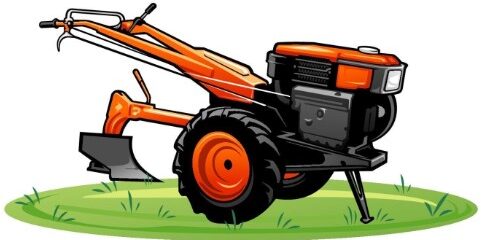
Mini Tiller Maintenance Guide for Long Life

If you’ve invested in a mini tiller for your garden, you already know how much easier it makes soil preparation, weed control, and bed maintenance. But here’s the truth: many beginners learn the hard way, even the best mini tiller won’t last long without proper care. Thankfully, maintaining a small garden tiller is far easier than most people think. With just a few simple habits, your tiller can stay powerful, reliable, and ready for work season after season.
This guide walks you through practical, USA-focused maintenance steps, the exact tools and oils you’ll need, common mistakes to avoid, and smart tips to extend your tiller’s lifespan, whether you use a gas or electric mini tiller.
Why Mini Tiller Maintenance Matters
Mini tillers operate in some of the toughest conditions in your yard: dirt, debris, roots, moisture, and clay-heavy soil. Without regular care, tines rust, engines lose power, gears wear down, and performance drops dramatically.
Proper maintenance brings several benefits:
- Longer engine and motor life
- Smoother, more efficient soil cultivation
- Less vibration and strain on parts
- Lower fuel and energy consumption
- Fewer repairs (and lower cost of ownership)
Basic Tools & Supplies You’ll Need
Here are common items homeowners in the USA use to maintain small garden tillers. These also make great Amazon recommendations:
- Engine oil: SAE 10W-30 is the most common choice for mini tillers.
- Fuel stabilizer (for gas tillers used seasonally)
- WD-40 or rust-prevention spray
- Wire brush for clearing packed soil from tines
- Small socket set for tightening bolts
- Air filter replacements (gas units)
- Extension cord rated for outdoor use (for corded electric models)
These lightweight tools fit easily into a small toolbox and cover nearly every maintenance job you’ll face.
Step-by-Step: How to Maintain Your Mini Tiller
1. Clean the Tines After Every Use
Soil buildup reduces digging power and forces the motor to work harder. After each session:
- Unplug or turn off the tiller
- Set it on its side
- Use a wire brush to scrape clumps of soil
- Spray WD-40 lightly to prevent rust
For gardeners working in clay-rich USA regions like Texas, Oklahoma, and parts of Georgia, this step becomes even more important.
2. Check and Tighten Bolts Regularly
Mini tillers vibrate while working, and loose bolts are a common issue. Every 3–5 uses, inspect the frame, tine assembly, and handles.
3. Maintain the Engine (For Gas Mini Tillers)
Change the Oil
Most small engines need their oil changed after the first 5 hours and then every 20–25 hours. Use fresh SAE 10W-30 oil for best performance.
Clean or Replace the Air Filter
Dusty soil can quickly clog the filter. Rinse foam filters with soap and water or replace them once they become worn.
Use Fresh Fuel With Stabilizer
Gasoline stored longer than 30 days starts breaking down. Add a stabilizer if you don’t use your tiller often, especially for winter storage.
4. Electric Tiller Maintenance (Corded & Cordless)
- Inspect the power cord for cracks
- Make sure vents are clear of dirt
- Store batteries indoors during winter
- Wipe the motor housing after each use
5. Lubricate Moving Parts
A light coating of machine oil on the tine shaft and moving joints prevents rust and ensures smooth rotation.
6. Sharpen or Replace Tines When Needed
Sharp tines dig deeper with less effort. If you notice:
- Shallow digging
- Uneven soil churn
- Increased vibration
…your tines may need sharpening or replacing.
7. Store the Tiller Properly
Moisture is the enemy of any garden tool. Always store your mini tiller in:
- A dry shed or garage
- Off the ground if possible
- Covered with a dust or weather cover
For winter storage, perform these steps:
- Drain old fuel or add stabilizer
- Clean tines thoroughly
- Disconnect spark plug (gas models)
- Remove battery (cordless models)
Signs Your Mini Tiller Needs Maintenance
- Loss of digging power
- Unusual vibration or noise
- Difficulty starting (gas models)
- Tines clog easily or feel dull
- Burning smell during operation
Common Mini Tiller Mistakes to Avoid
- Using the tiller on wet soil
- Leaving soil on the tines after use
- Running old fuel in the engine
- Overloading the tiller in hard clay
- Ignoring routine oil checks
Helpful Blogs for Reading
To help readers explore more tiller-related topics on your site, here are natural interlinks integrated into the content:
- Mini Tillers for Home Gardening – Learn the best options for small spaces.
- Garden Tillers Under $100 – Budget-friendly machines you can maintain easily.
- Gas vs. Electric Tillers – Choose the right model before planning maintenance.
- Choosing the Right Tiller – Understand which features matter most.
- Affordable Cultivators for Beginners – Fellow tools that pair well with mini tillers.
Frequently Asked Questions
1. How often should I service my mini tiller?
Light users can perform a full checkup once per season. Frequent gardeners should inspect their tiller every 10–15 hours of use.
2. Can I use regular motor oil in my tiller?
Most mini tillers use SAE 10W-30, but check your manual to be safe. Automotive oil is acceptable as long as it meets the same specification.
3. How long should a mini tiller last?
With good maintenance, many mini tillers easily last 5–10 years. Some well-maintained models run even longer.
4. Why does my tiller vibrate more than usual?
Common causes include loose bolts, worn tines, or compacted soil stuck around the tine assembly.
5. Should I sharpen the tines or replace them?
If the tines are dull but intact, sharpening works well. If they’re bent, rusted, or cracked, replacement is safer and more effective.
6. Can I run my tiller on wet soil?
No, wet soil clumps around the tines and strains the motor. Wait until the ground is slightly moist but not muddy.
7. What’s the best way to store a mini tiller over winter?
Empty the fuel tank, clean the tines, lubricate moving parts, and store the unit in a dry place away from freezing temperatures.
8. Why does my electric tiller overheat?
Overheating often happens when the vents are blocked by soil or debris. Clean the housing and vents regularly.
9. Do small tillers need spark plug replacements?
Gas mini tillers usually need new spark plugs every 1–2 seasons, depending on use.
10. What oil is best for mini tiller engines?
SAE 10W-30 is the recommended choice for most small engines in the USA due to temperature versatility.
Conclusion
Mini tillers are incredibly handy tools for home gardeners, but like any machine, they need proper care to stay dependable. With routine cleaning, timely oil changes, tine maintenance, and safe storage, your tiller can deliver years of strong, smooth performance.
Want to get the most out of your gardening tools? Explore more helpful guides on tillers, cultivators, and backyard equipment across our site, and give your garden the healthy, well-prepared soil it deserves.