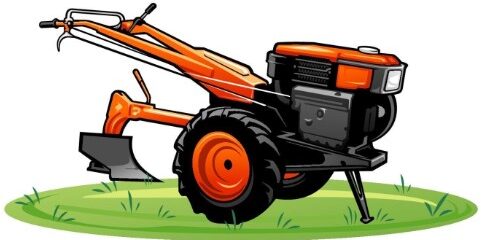
Row Crops & Intercropping with Power Tiller: Tips & Techniques

Row cropping and intercropping are two of the most efficient farming methods followed in India. When combined with a power tiller, these cultivation techniques become even easier, faster, and more productive. Power tillers help farmers prepare rows, maintain spacing, control weeds, and manage intercrops with minimum labour.
In this guide, we explain how to use your power tiller for row crops and intercropping, along with the best attachments, spacing tips, and field techniques.
What Are Row Crops?
Row cropping refers to planting crops in straight, uniform rows at equal distances. This method improves sunlight exposure, water distribution, and airflow around the plants. It also allows easy passage for tillers during weeding and soil aeration.
Common row crops in India:
- Maize
- Soybean
- Pulses (Moong, Urad, Arhar)
- Cotton
- Vegetables like brinjal, chilli, tomato
What Is Intercropping?
Intercropping means growing two or more crops together on the same field. The combination is selected so that both crops benefit from each other without competing for space, nutrients, or sunlight.
Popular intercropping systems:
- Maize + Beans
- Groundnut + Red Gram
- Cotton + Green Gram
- Sugarcane + Vegetables
- Tomato + Marigold
How Power Tillers Help in Row Cropping
Power tillers are extremely effective for preparing uniform rows. They reduce labour cost, save time, and ensure accurate spacing.
1. Creating Straight Furrows
Using a furrower attachment, the tiller opens straight lines for sowing seeds. This is helpful for maize, sunflower, vegetables, and pulses.
- Recommended Attachment: Furrower / Ridger
- Depth: 6–10 inches depending on crop
- Speed: Low gear for precise control
2. Maintaining Row Spacing
Power tillers can be adjusted to create rows with fixed spacing. By changing the width of blades or ridger wings, farmers can set the distance according to crop requirements.
Typical row spacing in India:
- Maize – 60–75 cm
- Soybean – 30–45 cm
- Pulses – 25–40 cm
- Groundnut – 30–40 cm
- Vegetables – 45–60 cm
3. Soil Aeration & Weed Removal
Inter-row cultivation is easy with a tiller using a weeder attachment. It removes weeds between rows and improves soil aeration without damaging crops.
- Use 3–5 tine weeders for narrow rows
- Use 5–7 tine weeders for vegetables
Intercropping Techniques Using Power Tiller
1. Preparing Alternate Rows
Power tillers help create alternate rows for two different crops. For example, maize + beans can be sown by preparing a maize row first, followed by a bean row with reduced spacing.
2. Managing Weeds Between Intercrops
Intercropping increases weed growth due to mixed plant pattern. Using a mini weeder or spring tine cultivator, farmers can clean rows without harming the crop.
3. Maintaining Soil Fertility
Power tillers help in mixing compost or biofertilizers in the soil before planting intercrops. This ensures both crops receive balanced nutrients.
4. Better Moisture Management
With attachments like ditchers or furrow openers, tillers help in irrigation channel creation. This is vital for intercropping systems like:
- Sugarcane + Onion
- Maize + Vegetables
Best Attachments for Row Cropping & Intercropping
Here are the attachments that make the job easier:
- Furrower / Ridger – For making rows
- Intercultivator – For weeding between rows
- Seed Planter Attachment (optional) – For uniform seed placement
- Spring Tine Weeder – For vegetables & soft soil
- Leveler – To level field before planting
- Mini Weeder – For narrow vegetable rows
Tips for Better Results
- Always till and level the soil before making rows
- Maintain uniform spacing between rows
- Use low gear for straight and accurate furrows
- For intercropping, choose crops with different heights and maturity times
- Do not over-till between intercrops to avoid root disturbance
- Sharpen the blades regularly for better cutting
Recommended Intercropping Combinations (India)
| Main Crop | Intercrop | Spacing |
|---|---|---|
| Maize | Beans / Moong | 60 cm + 30 cm |
| Cotton | Moong / Urad | 90 cm + 30 cm |
| Groundnut | Red Gram | 45 cm + 30 cm |
| Sugarcane | Onion / Garlic | 120 cm + 30 cm rows |
More Related Posts
- Battery Sprayer Price Guide
- Mini Power Tiller Accessories
- Weed Management in Orchard Farming
- 9 HP Power Tiller Attachments
Frequently Asked Questions
1. Can a power tiller be used for row cropping?
Yes, a power tiller is one of the most effective tools for row cropping. With a ridger or furrower attachment, it can create straight rows with uniform spacing.
2. Which attachment is best for inter-row weeding?
For inter-row weeding, farmers commonly use a mini weeder, spring tine cultivator, or intercultivator attachment depending on the crop spacing.
3. What is the ideal row spacing for power tiller operations?
Typical spacing is 30–75 cm depending on the crop. For maize, 60–75 cm is ideal, while vegetables need 45–60 cm spacing.
4. Is intercropping possible with power tillers?
Yes, power tillers make intercropping easier by preparing alternate rows, controlling weeds, and maintaining soil aeration between crop combinations.
5. Which intercropping system is most profitable in India?
Popular high-yield combinations include maize + beans, groundnut + red gram, and cotton + green gram due to balanced nutrient sharing and better land use.
Conclusion
Row cropping and intercropping become far more efficient when combined with a power tiller. With the right spacing, proper attachments, and timely field management, farmers can increase yield, reduce labour, and improve soil health.
Whether you are cultivating maize, vegetables, pulses, or mixed crops, a power tiller helps in every step – from preparing rows to managing weeds between crops.
Happy farming!