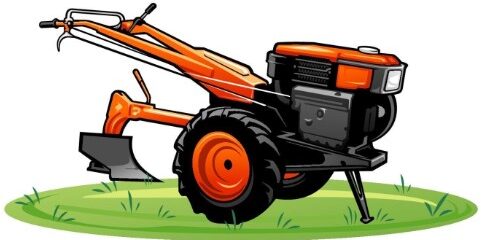
Power Tiller Safety Tips – A Practical Guide for Farmers & Operators

Power tillers are compact, hardworking machines that save time and labour on small to medium farms. But they also carry real risks if used carelessly. This guide lists clear, practical safety tips you can put into practice today – before, during, and after operation – so you and your workers return home safe and your machine stays reliable.
Why safety matters
Avoiding accidents isn’t just about following rules – it protects lives, prevents expensive downtime, and keeps maintenance costs low. Typical hazards include rotating tines, thrown objects, hot engine parts, fuel spills, and rollovers on slopes. A little preparation prevents most problems.
Quick Safety Checklist (print & keep)
- Read the operator manual for model-specific warnings.
- Wear PPE: gloves, safety boots, goggles, and ear protection.
- Inspect machine: oil, fuel, air filter, blades, belts, guards.
- Check the work area for rocks, wires, pipes, and people.
- Use correct attachments and secure PTO/drive couplings.
- Keep children and bystanders at least 10 metres away.
- Turn off the engine and remove the key before servicing.
Pre-operation Safety – What to check every time
Before you start the tiller for the day, do a short but thorough inspection. This takes 5–10 minutes and prevents many common failures.
- Visual check: Look for oil/fuel leaks, spilled fuel, loose nuts, cracked frames, or damaged guard plates.
- Fluids: Check engine oil level, gearbox oil (if applicable), and coolant on water-cooled models. Use the manufacturer-recommended oils; see our guide on engine oils for power tillers.
- Air and fuel filters: Ensure filters are clean; dusty filters cause power loss and overheating. Replace or clean per the manual – find spares via our spare parts page.
- Blades/tines: Inspect for cracks, bends, or excessive wear. Tighten bolts and carry a spare set if you work in stony soils.
- Guards & Shields: Ensure PTO covers, belt guards, and tine shields are in place and undamaged.
- Controls: Check throttle, clutch, and brakes for smooth operation. A sticking control can cause sudden accidents.
- Fuel handling: Fill fuel in a ventilated, cool place. Never refill while the engine is running or hot.
Operator Personal Safety (PPE & posture)
Taking care of your body makes long seasons sustainable. Use simple protective equipment and correct posture to reduce injuries.
- Gloves: Anti-vibration or leather gloves protect hands from cuts and reduce vibration stress.
- Footwear: Sturdy, closed-toe boots (non-slip) protect feet from rotating parts and heavy objects.
- Eye & face protection: Goggles or a face shield when working dusty soils or when debris can fly.
- Hearing protection: Earplugs or earmuffs during prolonged operation – diesel engines are noisy, and long exposure harms hearing.
- Posture: Keep your back straight, use both hands on the handles, and avoid leaning over the machine. Adjust handle height if your model allows for comfort – see tips in our operator comfort guide.
Safe Operation Practices
How you operate the tiller matters as much as the machine itself.
- Start & idle: Start the engine on level ground. Let it warm up for a minute before engaging gears or PTO.
- Keep bystanders away: Children and animals should be kept well clear – rotating tines, flinging stones and debris.
- Speed control: Use low gear and steady throttle in heavy soil. High speed increases the risk of thrown objects and loss of control.
- Slope safety: Avoid operating across steep slopes. When you must, go uphill/downhill (not sideways) and reduce load. If the slope is >15°, consider alternate methods. For hilly farming tips, see tillers for hilly areas.
- PTO & attachments: Always stop the engine before fitting or removing attachments. Ensure PTO shafts and couplings are fully guarded and correctly engaged. Refer to our attachments guide for proper fitting.
- Avoid wet ground hazards: Wet clay can hold the machine; avoid sudden throttle increases to prevent stalls or jamming.
- Two-hand rule: Keep both hands on the handles when tines are engaged. Never reach under the guards while the engine is running.
Refuelling & Hot Parts – Prevention of fire and burns
- Turn off the engine and let it cool before refuelling.
- Wipe any spilled fuel immediately and dispose of rags safely (risk of spontaneous combustion).
- Avoid smoking or flames near fuel. Store fuel in ISI-approved jerry cans and away from direct sunlight.
- Be aware of hot engine parts and exhaust; mark or wrap where children might touch.
Maintenance Safety – How to service without risk
Routine maintenance keeps the machine safe and efficient. Always follow these safety steps:
- Disconnect spark plug or battery: Before working on the engine, remove the ignition or disconnect the battery to prevent accidental starts.
- Support the machine: If you need to lift the tiller, use proper jacks or stands; never rely on soft ground or blocks alone.
- Blade handling: Wear thick gloves when removing or fitting blades; tines are sharp.
- Use the right tool kit: Maintain a basic tool kit (spanners, spark plug wrench, screwdrivers) and carry it in your field bag. See our recommended maintenance kit.
- Dispose of fluids properly: Collect used oil and coolant in containers; do not dump in fields or drains.
Emergency Preparedness
Even with caution, incidents can occur. Be ready:
- Keep a basic first-aid kit near the machine.
- Have emergency contact numbers of the local health centre and mechanic.
- Know how to stop the engine quickly – familiarize all operators with the kill switch.
- Keep a small fire extinguisher (CO₂ or dry powder) close to the equipment shed, not on the machine while operating.
Training & Operator Selection
Good operators are the single biggest safety improvement:
- Train new operators with a supervised demo session on the specific tiller model.
- Encourage short refresher training before peak seasons (planting/harvesting).
- Hire operators who can follow checklists and keep logs of working hours and servicing.
- Consider joining local KVK or extension workshops for certified operator training.
Special Notes for Rental & Custom-Hire Services
If you run a rental or custom-hire tiller service, safety has a business dimension:
- Inspect the tiller before and after every job and keep a maintenance log.
- Provide a short safety briefing or demonstration to every customer operator.
- Include operator PPE with rental packages or offer it for a small deposit.
- Keep clear rental agreements that state liability and emergency procedures.
- Consider insurance for equipment and third-party liability where available.
Common Mistakes to Avoid
- Operating with missing guards or shields.
- Ignoring small oil leaks or unusual noises – these often precede bigger failures.
- Using incorrect attachments or mismatched PTO couplers.
- Allowing untrained helpers or children to operate the machine.
FAQs – Quick answers
Q: Can I operate a power tiller alone?
A: Yes, most tillers are designed for one operator, but always ensure someone else is nearby during risky tasks or on steep terrain.
Q: How far should bystanders stand?
A: Keep bystanders – especially children – at least 10 metres away from the working zone. Rotating tines can throw stones and debris a long distance.
Q: Is an electric start safer than a recoil start?
A: Electric start reduces physical strain, but both systems are safe when used correctly. Electric-start models need battery checks and proper wiring maintenance.
Q: What PPE is most important?
A: Safety boots and gloves are the minimum. Add eye and hearing protection for dusty or loud conditions.
Final thoughts
Safe power tiller operation is a mix of good equipment, regular maintenance, and sensible habits. Small daily checks and consistent training stop most accidents and keep productivity high. If you want a short printable safety card for your team, we can create a one-page checklist you can print and pin in the shed.
For more detailed maintenance procedures and part lists, visit our guides on Maintenance of Power Tillers, Power Tiller Attachments, and operator comfort tips in Noise, Vibration & Operator Comfort.